
There is some misconception that everything made of wood around you is brought to the factories by trucks from nearby jungles. Anyone who thinks 2 seconds more about it can readily understand that wood products are all around us even though there are no real jungles nearby. Wood in various forms, whether raw or processed, are carried by ships in containers or in bulk.
In raw form, forest cut logs move in various sizes by ships in bulk. Logs are cut to particular lengths and then transported up to the ships by road or railway or in some cases by floating them along the river! Then the logs are treated and loaded on ships to be transported to various parts of the world. All raw wood is also fumigated to avoid carrying animals and insects that are integral part of forest cut logs. The processed wooden logs are cut to shape and size before being shipped. The premium processed wood products such as plywood, medium density fibreboard, wood pulp, paper pulp, cardboard and also crude paper rolls are commonly carried by sea.
There are also hardwood and softwood types that have different uses and applications. Then there are floaters and sinkers, as even large logs do not necessarily sink, and simple soft logs may absorb too much water and sink. Due to the unique nature of carrying large, buoyant timber cargoes on deck, ships designed for this trade have a special set of draft marks on their hulls that allow them to be loaded more deeply than when carrying any standard cargo on the same ship! Despite the extra buoyancy, timber ships are often “tender,” meaning they have a lesser stability and roll slowly in the water.
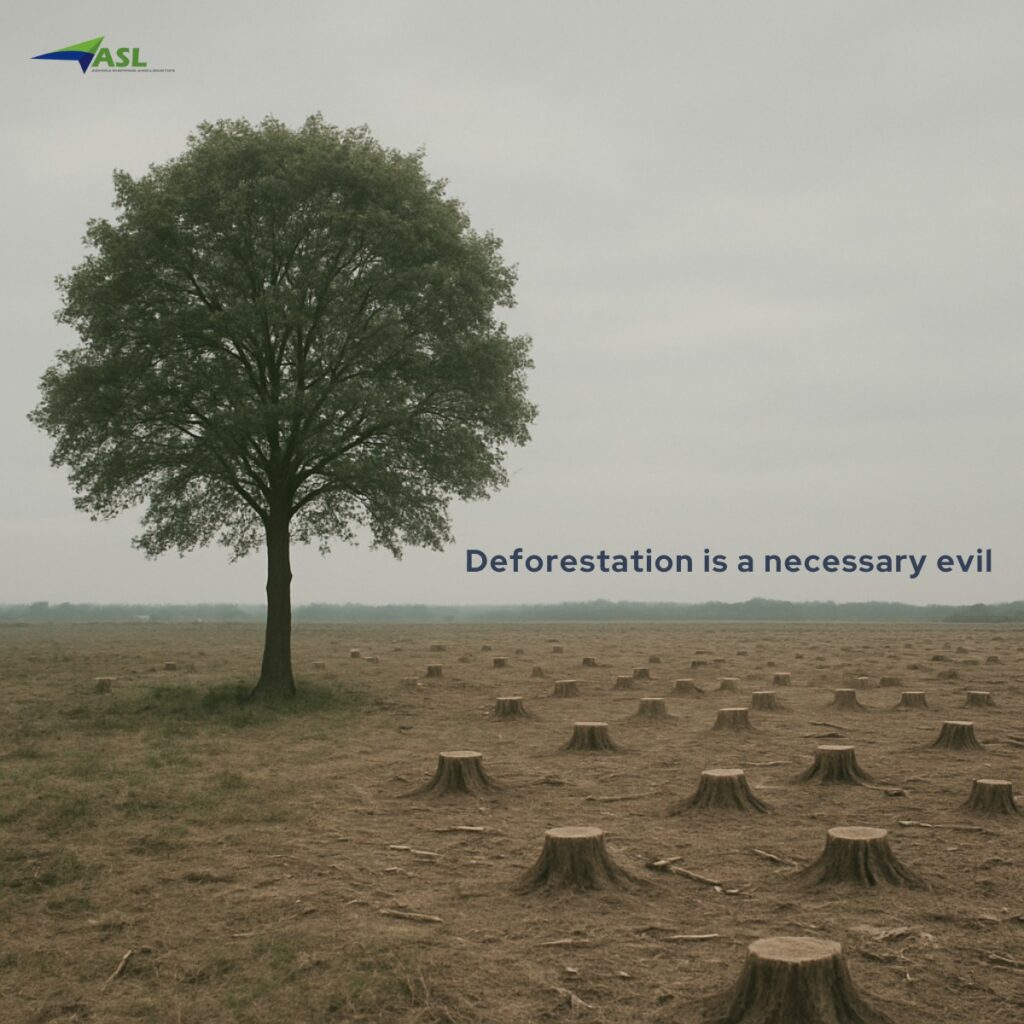
The environmental impact of cutting trees down is a concern that has been voiced widely. There are different definitions. “Zero-gross” deforestation prohibits all forest clearing, while “zero-net” allows for some clearing if it’s offset by reforestation elsewhere. Zero-net approaches are problematic because they can mask the loss of unique, old-growth forests and their associated biodiversity in exchange for potentially less diverse planted forests. Think about it, the Deforestation is a necessary evil which is never suitably balanced with the reforestation initiatives. Ships continue to contribute to this flourishing trade with growth in construction, consumerism and as an alternate bio-degradable substitute to many other materials previously found by humans as alternatives to wood.
Capt Pappu Sastry/ CEO – ASL
