
How did this get here? Episode 2. Vehicles
We are surrounded by foreign cars whichever country we are in. There are numerous trucks, motorcycles and other vehicles that are also around us which mostly are not manufactured in that city or country. There is not much thought given to the process which brings these vehicles into a particular city. Some people think that all vehicles come in containers. This is true to some extent, but it is neither practical nor economical to carry all vehicles in containers. The volumes are far more than your imagination. About 90 million vehicles were transported by sea in 2023. Of that, about 24 million were cars, a rise of 17% from 2018 according to Shipping Watch (https://shippingwatch.com/article16675415.ece). There is also a substantial domestic sea movement of vehicles in some parts of the world. Then there is the concept of CKD (Completely Knocked Down) units exports.
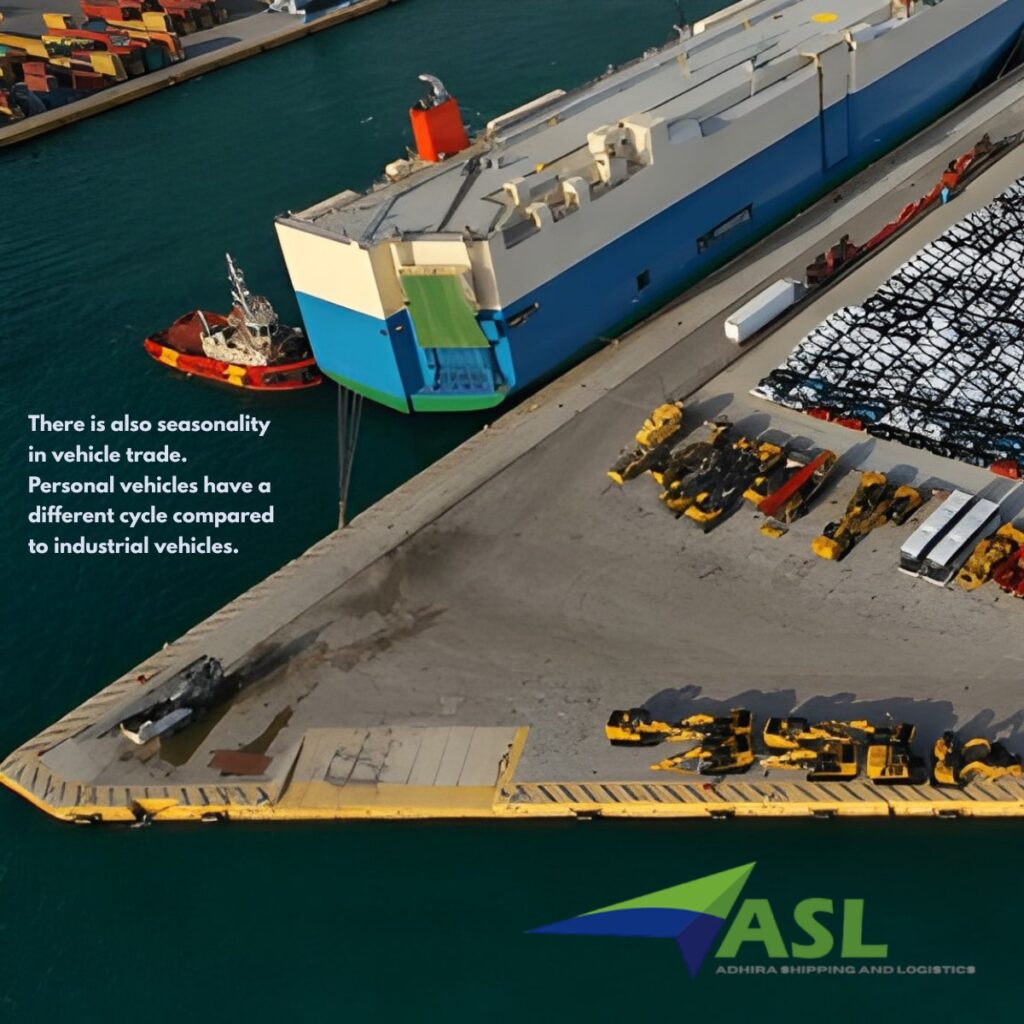
There are specialized ships called Car Carriers, Truck Carriers and Roll on – Roll off vessels which carry these vehicles around the world. I sailed on a car carrier that carried 3200 cars; it was a floating car park with 12 decks where cars were loaded by driving in and discharged by driving them out of this car park. In short sea Europe trades, there are smaller car carriers and truck carriers. In Indonesia, French Polynesia and in the Caribbean there is a substantial trade of trailers/ trucks which compliments the containerized vehicle movement.
The trade looks simple but is peculiar in its own way. You can imagine the vehicles are not interchangeable between countries that have left-hand drive and right-hand drive. Middle East specifications for vehicles is without heating and Scandinavia specifications for vehicles is without cooling. So, exports can get pretty complicated. FORD, an American brand, was also manufactured in Japan till 2016 whilst Mitsubishi, a Japanese brand was manufactured in USA as well till 2015. Since they could not sell their cars locally, there was a trade where FORD cars were being carried from Japan to USA and Mitsubishi cars were being carried from USA to Japan.
There is also seasonality in vehicles trade. Personal vehicles have a different cycle compared to industrial vehicles. The EV trend has also changed the trade patterns to some extent. That said, there is no demand for a 2025 model car in 2026 January. Think about it – by November 2025, the cars which are “2026” model will already be at sea.
Capt Pappu Sastry/ CEO – ASL
